Expertise

Civil engineering and infrastructures

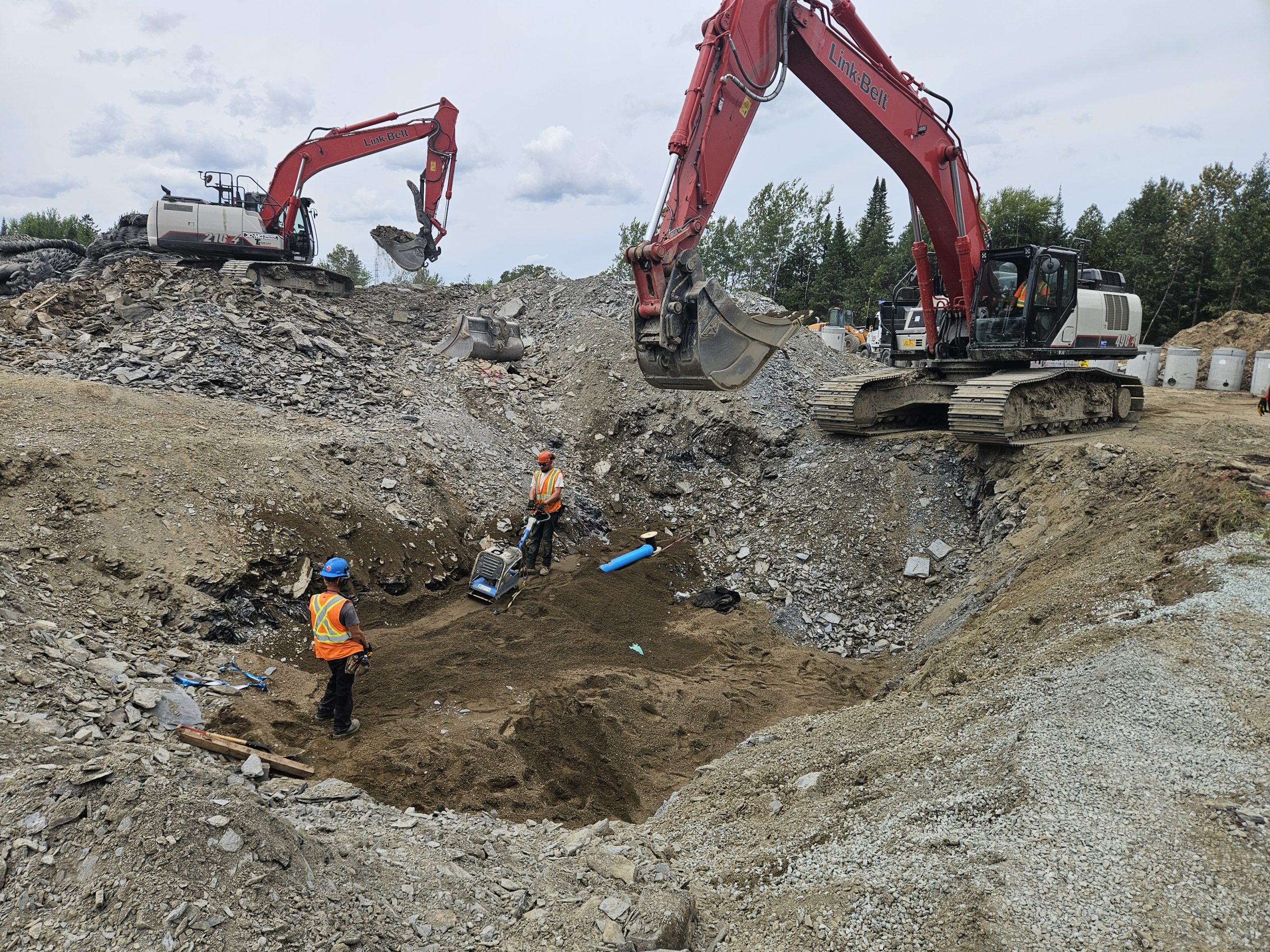
Civil engineering is present in every aspect of our daily lives.

The drinking water we rely on, the wastewater we discharge, the roads we travel each day, and the underground networks that quietly support our cities — all depend on well-designed infrastructure.

Often unseen yet always essential, infrastructure forms the backbone of our communities. Our role is to design it with rigor, durability, and sound judgment, ensuring it serves the needs of today’s communities — and those of tomorrow.

01

Stormwater Management

Major cities now require a stormwater management plan, prepared by a professional engineer, for any project involving significant impervious surfaces — whether for a building, parking area, or urban development.

The increase in impervious surfaces alters the natural behavior of runoff by accelerating flow rates and placing additional demand on existing infrastructure. A stormwater management plan therefore analyzes these impacts and proposes appropriate measures — such as detention, retention, or infiltration — to control peak discharge to the municipal system.

This framework allows municipalities to better protect and plan their infrastructure while reducing the risks of sewer backup, flooding, and downstream property damage.

02

Roadways and Urban Infrastructure

The design of roadways and urban infrastructure begins with a rigorous analysis of roadway geometry and intersections to ensure traffic flow, safety, and overall network coherence. We plan horizontal and vertical alignments, turning radii, lane widths, and transition zones while considering the needs of all users and site-specific constraints. Pavement structures are then designed based on anticipated loads, soil conditions, and targeted service life to ensure long-term performance and durability.

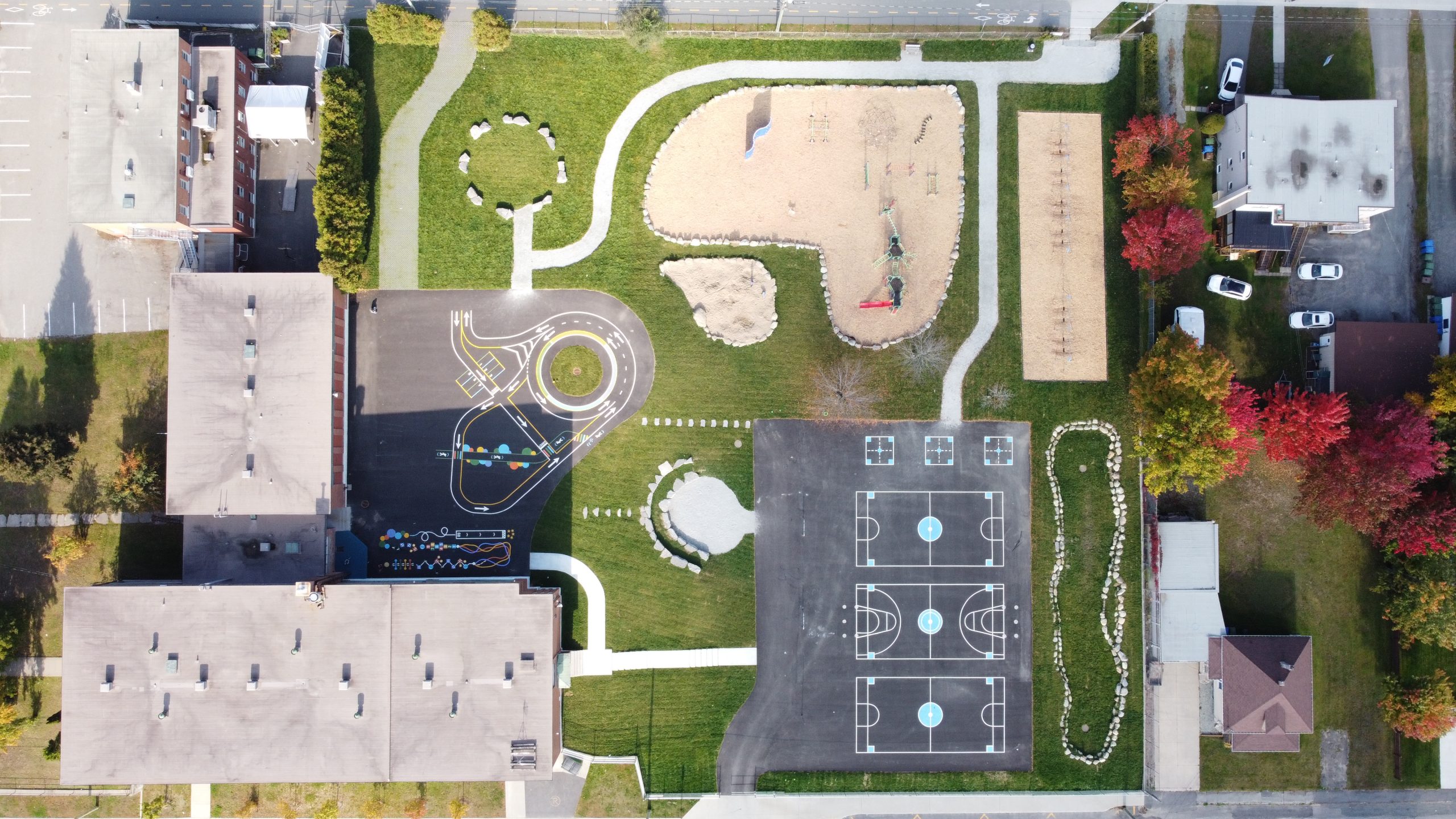
Contemporary urban environments also require thoughtful integration of cycling facilities and pedestrian corridors. We design spaces that promote active mobility, enhance the safety of vulnerable users, and support universal accessibility, while maintaining balanced interaction with vehicular traffic. Each project aims to create functional, durable environments capable of adapting to the evolving needs of communities.

03

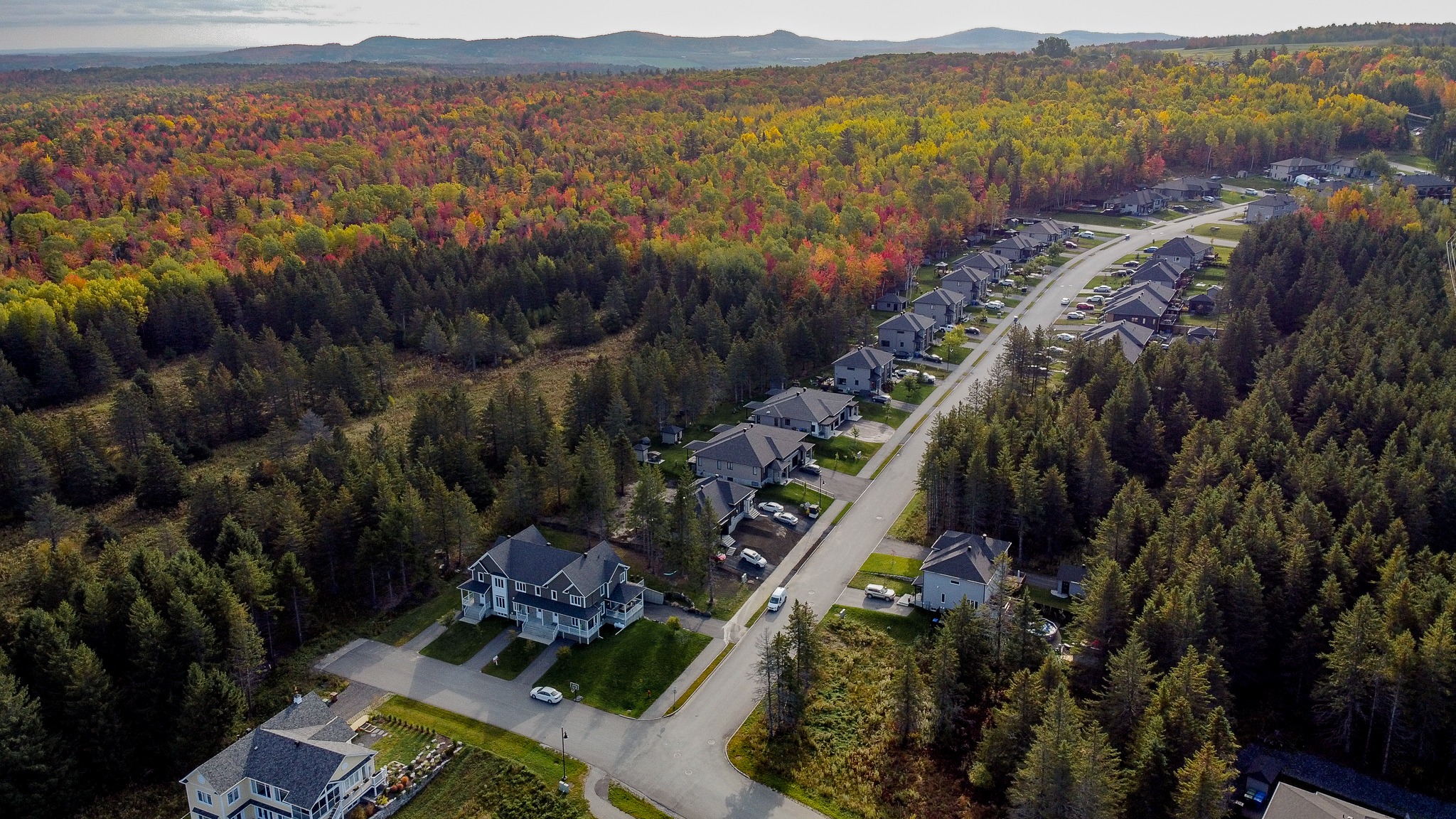
Subdivision and Street Development

Residential development and new street projects require integrated planning, where roadway geometry, user safety, and infrastructure efficiency are considered from the earliest stages. We design alignments, profiles, and intersections while accounting for topographic conditions, land constraints, and municipal requirements. Underground infrastructure is planned in a coordinated manner to optimize network layout and facilitate long-term maintenance.

Our team also provides complete design of potable water distribution systems, sanitary sewer networks, and stormwater management infrastructure, in compliance with applicable standards and the capacity of existing systems. We support our clients throughout the regulatory process, including applications for authorization from the Ministère de l’Environnement, de la Lutte contre les changements climatiques, de la Faune et des Parcs (MELCCFP), as well as municipal infrastructure approval procedures, ensuring a smooth path from planning to implementation.

04

Hydraulic Analysis and Studies

A hydraulic study evaluates the behavior of stormwater networks or watercourses during rainfall events under existing or proposed conditions. It includes watershed validation, modeling of various rainfall scenarios, and assessment of potential infrastructure constraints to verify system capacity and prevent overflows in urban development contexts.

Our mandates include hydrologic and hydraulic modeling, analysis of culverts and control structures, flood level assessment, and determination of required detention volumes when applicable. The resulting recommendations ensure regulatory compliance while optimizing infrastructure performance and minimizing downstream impacts, within a framework of long-term resilience and climate adaptation.

05

Municipal Infrastructure Rehabilitation

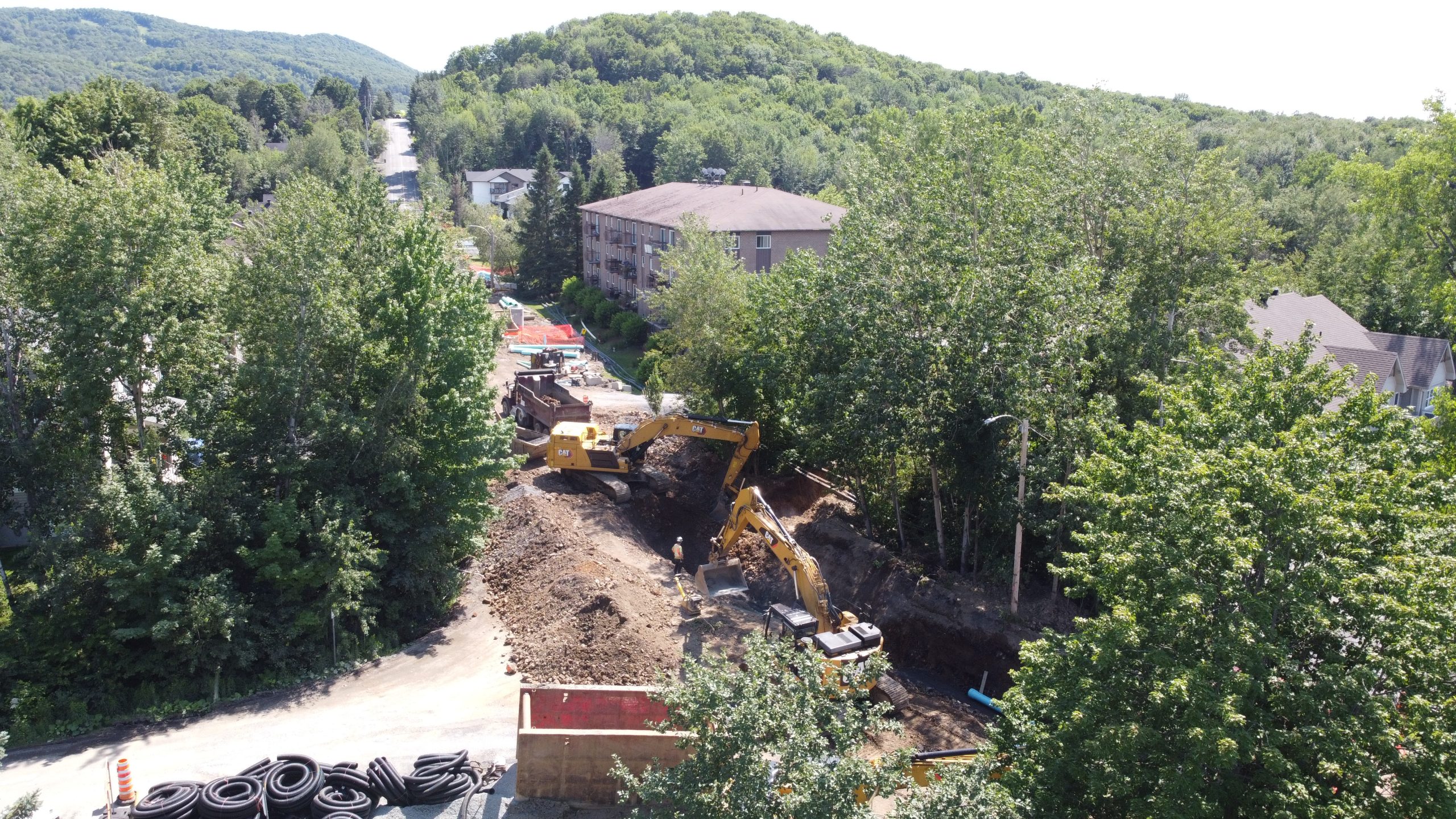
The rehabilitation of specialized municipal infrastructure requires a precise assessment of the condition and current performance of existing assets. We are involved in the upgrading of potable water booster stations and pressure-reducing systems to ensure reliable, safe, and appropriately distributed water supply within municipal networks. Our interventions aim to modernize facilities while improving efficiency and long-term durability.

We also undertake rehabilitation projects involving detention basins, municipal lighting upgrades, and the replacement or reconstruction of culverts. Each mandate considers operational constraints, applicable standards, and municipal budget realities, with the objective of extending infrastructure service life while enhancing performance and resilience.

This site uses cookies to ensure its proper functioning, improve performance, analyze usage, personalize content and offers, and display targeted ads based on information you have provided or that they have collected from social networks and other third-party sites. These cookies cannot be refused.

Read more